
Petrol, diesel hike by ₹10-12 expected, gold and silver prices to rise
New Delhi (The Uttam Hindu) : Tensions are running high in West Asia following the killing of Iran's Supreme Leader Ali Khamenei in US and Israeli attacks. If the conflict prolongs and the strategic oil route, the Strait of Hormuz, is closed, it could have a direct impact on the global energy market and India's economy.
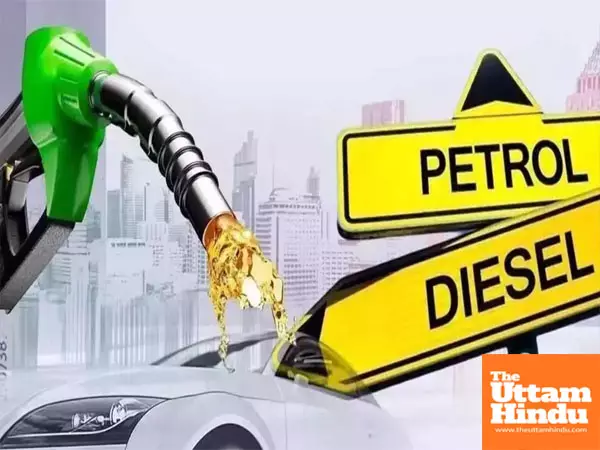
Petrol and diesel prices could rise
India imports approximately 85–90% of its total crude oil needs, a significant portion of which comes through the Strait of Hormuz. Experts believe that if supplies are disrupted along this route, international crude oil prices could rise from the current level of around $70 per barrel to $100–120 per barrel.
In such a scenario, the price of petrol in Delhi could rise from ₹95 per liter to ₹105, and diesel from ₹88 per liter to ₹96. However, the final decision will depend on several factors.
It should be noted that state-owned oil marketing companies determine petrol and diesel prices in the country based on the average crude oil price in the international market over the past 15 days and the rupee's position against the dollar. However, the final price reaching consumers includes a significant portion of taxes levied by the central and state governments. Therefore, companies can theoretically raise prices, but in practice, government policy is crucial. In war-like situations, the government may reduce taxes or advise companies to maintain stable prices to control inflation.
Gold and silver prices are expected to rise to record highs
In an environment of war and uncertainty, investors turn to safe investment options. Commodity market experts predict that gold could rise from ₹1.60 lakh per 10 grams to ₹1.90 lakh. Silver, currently hovering around ₹2.67 lakh per kg, could reach ₹3.50 lakh per kg.
Analysts say that if the situation in the Gulf region worsens further, volatility in the stock market may increase and investors' inclination towards safe assets may increase further.
The challenge for India is that keeping the Strait of Hormuz open is crucial for India, given its dependence on energy imports. Any disruption could have a significant impact not only on petrol and diesel, but also on transportation, inflation, the stock market, and the common consumer's pocket. The government is currently monitoring the situation and will determine its future strategy based on global market trends.