
Petrol price shock: Premium petrol gets costlier, check the new prices
Premium petrol prices surge by Rs 2.09/litre, hitting ₹113.77/litre, amid rising global crude oil prices and West Asia tensions. Regular petrol and diesel prices unchanged
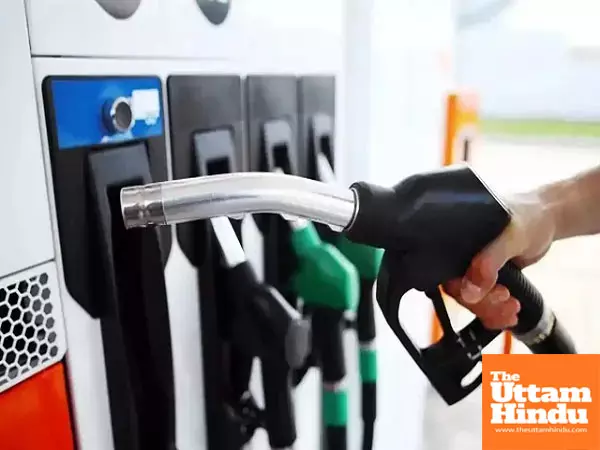
New Delhi (The Uttam Hindu): Amidst the increase in global crude oil prices due to increasing tensions in West Asia, oil marketing companies on Friday increased the prices of premium petrol by Rs 2.09 per liter, which has come into effect from March 20.
State-owned oil marketing companies, including Hindustan Petroleum Corporation Limited and Indian Oil Corporation Limited, have increased the prices of their premium petrol variants by approximately ₹2.09 to ₹2.35 per liter. With this change, the price of branded fuels like Power Petrol and XP95 has increased from approximately ₹111.68 per liter to approximately ₹113.77 per liter. However, the prices of regular petrol and diesel have remained unchanged, providing some relief to common motorists.
This decision will particularly impact consumers who use high-octane or premium petrol. Premium petrol is generally known for its superior engine performance, smoother driving, and better mileage. Therefore, the price increase is expected to put an additional burden on car and bike owners.
People living in metro cities and those using high-performance vehicles may be particularly affected. While no official reason for this increase has been provided by the government or oil companies, market experts believe that fluctuations in international crude oil prices and rising logistics costs are likely the main reasons behind this increase.
This increase comes at a time when the global crude oil market is witnessing extreme volatility. On March 19, oil prices rose by more than 4 percent. Brent crude prices reached around $111.78 per barrel, while US West Texas Intermediate (WTI) also reached around $99.57 per barrel. According to experts, this rise comes after reports of Israel attacking Iran's South Pars gas field and Iran targeting Qatar's Ras Laffan industrial city in response. This region is considered extremely important for global energy supplies, which has increased concerns about energy security across the world.
Countries like India, which import nearly 90 percent of its crude oil needs, are directly affected by such global developments. Currently, companies have kept prices of regular petrol and diesel stable, but the increase in premium petrol indicates increasing pressure from the international market. Industry experts believe that if tensions in West Asia continue and crude oil prices remain high, domestic fuel prices may see further changes in the future.