
Planning to buy an EV? This major government decision has changed the entire subsidy calculation
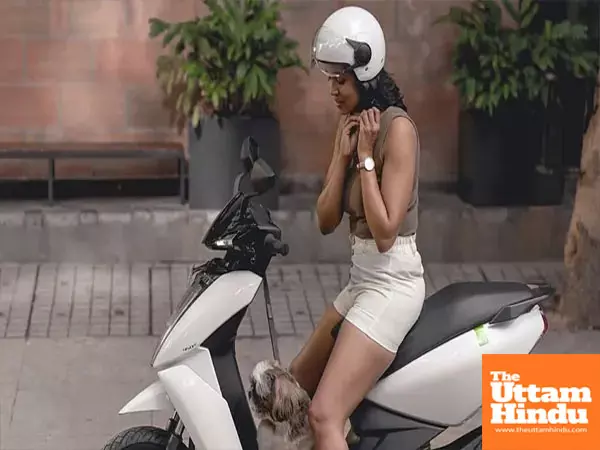
New Delhi (The Uttam Hindu): Amidst the growing demand for electric vehicles (EVs) in the country, the central government has taken a very important decision related to the common man's pocket. If you too are planning to buy a new electric two-wheeler or three-wheeler, then this news is for you. The government has extended the deadline for subsidies on electric vehicles, but along with it, it has also imposed a catch which will directly impact your savings. Let's understand in simple language whether this new decision of the government will benefit you or will it cut into your pocket.
PM E-Drive scheme gets extended, know the new deadline
According to a new notification issued by the Ministry of Heavy Industries, the scope of the subsidy under the Prime Minister Electric Drive Revolution in Innovative Vehicle Enhancement (PM E-Drive) scheme has been extended. The scheme, which was originally scheduled to expire on March 31, 2026, will now continue to be available. According to the new rules, electric two-wheeler buyers will be eligible for the subsidy until July 31, 2026, and electric three-wheeler buyers until March 31, 2028. The government's primary objective is to accelerate the sale of electric vehicles across the country and strengthen charging infrastructure. The government has allocated a hefty budget of ₹10,900 crore for the entire scheme, which began in October 2024.
Deadline extended but subsidy amount reduced, customers shocked
The government has provided relief to customers by extending the deadline, but has also significantly reduced the subsidy amount. Effective April 1, 2025, the subsidy on electric two-wheelers has been reduced to ₹2,500 per kWh, with a maximum limit of just ₹5,000. Simply put, while previously customers could receive a direct discount of at least ₹10,000, they will now have to settle for a mere ₹5,000. Similarly, electric three-wheelers have also been cut. The maximum subsidy on these vehicles will now be ₹12,500, down from ₹25,000 previously. This reduction comes as the government plans to gradually eliminate subsidies altogether.
Till now lakhs of people have benefited from this, companies have also got refunds.
The success of the scheme can be gauged from the fact that millions of people have directly benefited from it so far. According to official data till January 27, 2026, more than 22.12 lakh electric vehicles have been sold under this scheme, which includes more than 19.19 lakh two-wheelers. In return, the government has also released a subsidy of Rs 1,703 crore to the vehicle manufacturing companies. At the same time, till February 5, 2026, the Ministry of Heavy Industries has refunded Rs 1,182.32 crore to the companies in lieu of the discount given on those vehicles which were registered after April 1, 2024.
A network of electric buses and charging stations will be laid
The focus of this scheme is not limited to small vehicles, but also to make public transport and charging networks world-class. The government has set a target of running 14,028 electric buses in major cities, on which Rs 4,391 crore will be spent. This includes metropolises like Delhi, Mumbai, Bengaluru and Ahmedabad. Along with this, for the convenience of EV owners, preparations are in full swing to install 88,500 charging stations across the country, which include fast chargers and special charging points for two-wheelers and three-wheelers, so that no driver has to worry about running out of battery mid-way.
- Tags
- #ElectricVehicle