
RBI moves to stabilise rupee: Banks told to limit open position
RBI directs banks to limit open rupee positions to $100m to curb speculation and support the falling rupee amid global tensions and high oil prices
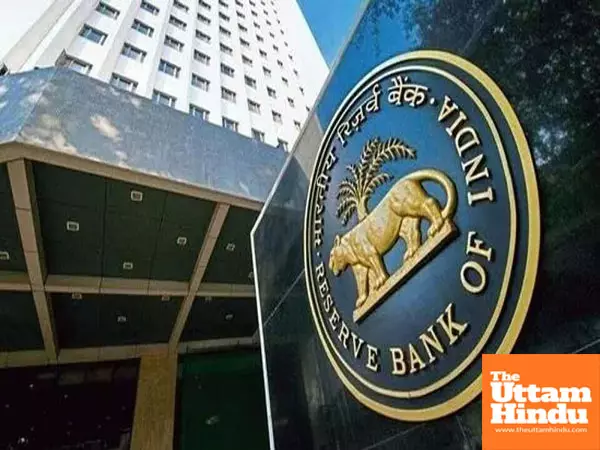
New Delhi (The Uttam Hindu) : To stop the fall in the rupee and curb speculative trading, the Reserve Bank of India (RBI) has given new instructions to the banks.
The RBI has asked banks acting as authorized dealers to limit their open positions in rupees to $100 million by the end of the day. This move comes at a time when tensions between the US, Israel, and Iran have widened the trade deficit and put pressure on the rupee. The central bank has asked all commercial banks to enforce this daily limit until April 10. Furthermore, this limit can be revised if necessary depending on market conditions.
Experts say the RBI could take even more stringent measures if the rupee continues to fall. They also point out that the RBI has used a significant portion of its foreign exchange reserves to support the rupee, limiting its ability to intervene.
On Friday, the rupee fell below 94 per dollar for the first time, losing nearly 1 percent. It has lost more than 4 percent overall since the US-Iran conflict began. Meanwhile, Brent crude prices remain above $100 per barrel, well above the RBI's October estimate of $70. This has increased India's import bill and made it difficult for the RBI to maintain inflation and monetary balance.
According to a report, if crude oil prices fall and market valuations (P/E ratios) decline, the Indian market could return to bullish momentum. According to a report by Emkay Global Financial Services, the rupee could improve to around 91 per dollar in the near future. Additionally, the 10-year government bond yield could decline from the current 6.83 percent to around 6.65 percent. It could take 2-3 months for this situation to return to normal.
Another report states that while India's economy remains stable despite rising fuel prices, crude oil prices will continue to impact the country's external balance. If global oil prices continue to rise, it could widen India's current account deficit (CAD) and impact economic growth and inflation.