
Only electric three-wheelers to be registered in Delhi from 2027 and only electric two-wheelers from 2028
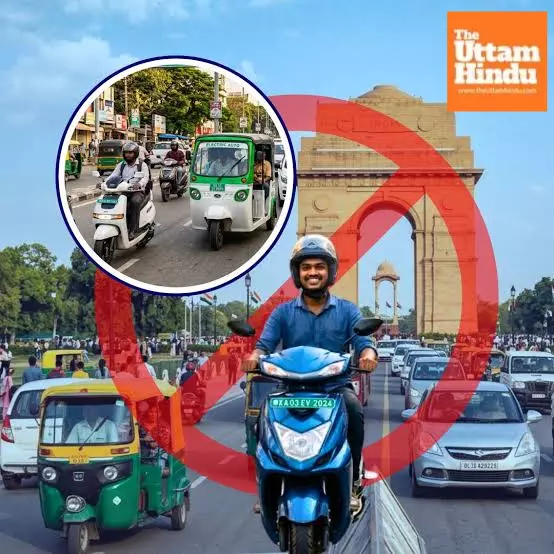
New Delhi (The Uttam Hindu): The Delhi government has released the draft Electric Vehicle Policy 2026 for public feedback inviting suggestions from citizens and stakeholders till May 10. The policy aims to accelerate electric mobility in the capital through incentives, infrastructure expansion and regulatory measures. Chief Minister Rekha Gupta said the government is committed to building a clean, accessible and sustainable transport system.
The policy proposes a phased shift towards electric vehicles and introduces several new measures including incentives, mandates and infrastructure development. It will remain in force till March 31, 2030 and is backed by a total outlay of ₹3,954.25 crore.
Key highlights of EV Policy 2026:
• Only electric three-wheelers to be registered in Delhi from January 1, 2027 and only electric two-wheelers from April 1, 2028
• For the first time EV policy focuses on battery recycling infrastructure and EPR compliance
• For the first time 50% road tax concession for strong hybrid vehicles while 100% exemption continues for pure EVs
• Total outlay of ₹3,954.25 crore earmarked for the policy
• Delhi government aims to create a clean, accessible and sustainable transport system
EV policy 2026:
• 100% road tax and registration fee waiver for EVs
• 50% road tax concession for strong hybrid vehicles
• First policy to include battery recycling infrastructure and EPR compliance
• Dedicated fund to finance policy through multiple sources
• Policy valid till March 31, 2030
• Public feedback open for 30 days till May 10, 2026
Mandates:
• Only electric three-wheelers to be registered from January 1, 2027 and only electric two-wheelers from April 1, 2028
• No new petrol or diesel vehicles to be added by aggregators from January 2026
• All leased or hired government vehicles to be electric and all new inter-state buses to be electric
• School buses to achieve 10% electrification by Year 2, 20% by Year 3 and 30% by 2030
Policy outlay:
• ₹3,954.25 crore total allocation
Incentives:
• ₹1,236.25 crore for purchase incentives
• ₹1,718 crore for scrapping incentives
• ₹1,000 crore for charging and battery swapping networks
Purchase incentives:
• Electric two-wheelers up to ₹30,000 in phased manner
• Electric three-wheelers up to ₹50,000
• Electric goods vehicles up to ₹1 lakh
Scrapping incentives:
• ₹10,000 for two-wheelers
• ₹25,000 for three-wheelers
• ₹1 lakh for cars
• ₹50,000 for goods vehicles
DPCC role:
• Battery collection centres and recycling guidelines across Delhi
Charging infrastructure:
• Delhi Transco Limited to act as nodal agency
• Citywide charging and battery swapping network to be developed
OEM mandate:
• At least one public charging station at every dealership
Disbursal:
• All incentives to be provided through Direct Benefit Transfer system