
Centre unveils India’s first anti-terror policy, focus on dark web and drones
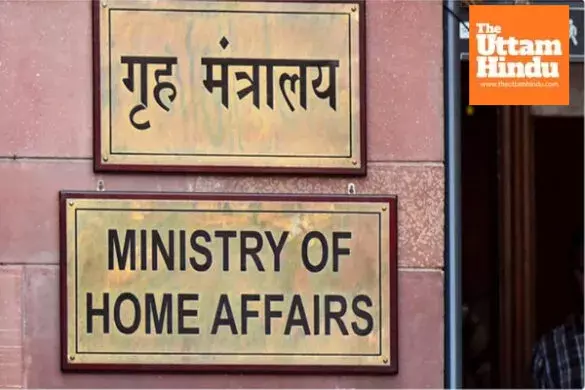
New Delhi (The Uttam Hindu): The Union Home Ministry has introduced India’s first comprehensive anti-terror policy, titled “Prahaar,” aimed at strengthening national security. The policy outlines strategies to deal with challenges such as cross-border terrorism, cybercrime, and hacking. It notes that the country faces terrorist threats through land, sea, and air routes. The document also stresses that terrorism is not linked to any particular religion, race, nationality, or civilization.
Concern over misuse of digital technology
The policy document highlights growing concerns over the misuse of modern technology by terrorist groups. According to the strategy, terror networks are increasingly collaborating with organized criminal groups for logistics and recruitment. Social media platforms, messaging apps, encryption tools, the dark web, and crypto wallets are being widely used for funding and coordination. Anonymous activities in cyberspace have become a serious challenge for intelligence agencies.
Warning over emerging threats including drones
The policy warns security agencies about future risks, including the possible use of chemical, biological, radiological, nuclear, explosive, and digital materials for terrorist activities. It also cautions about the potential misuse of drones and robotics by both state and non-state actors for carrying out attacks.
Focus on radicalization and global terror groups
The document addresses the issue of radicalization and mentions international terrorist organizations such as Al-Qaeda and Islamic State of Iraq and Syria, stating that they continue attempts to recruit youth and spread extremist ideology through sleeper cells. It notes that security agencies take strict action whenever such networks are detected. The policy also acknowledges the contribution of social organizations, religious leaders, and civil groups in countering extremist propaganda through awareness efforts.
Need for international cooperation
The Prahaar policy states that terrorist groups operating from abroad often depend on local networks, logistics, and intelligence to carry out attacks in India. To tackle such transnational threats effectively, the document emphasizes the importance of strong cooperation at both regional and global levels, along with coordinated national efforts.