
India and Malaysia sign 6 key agreements, boosting ties in semiconductors, UPI and more
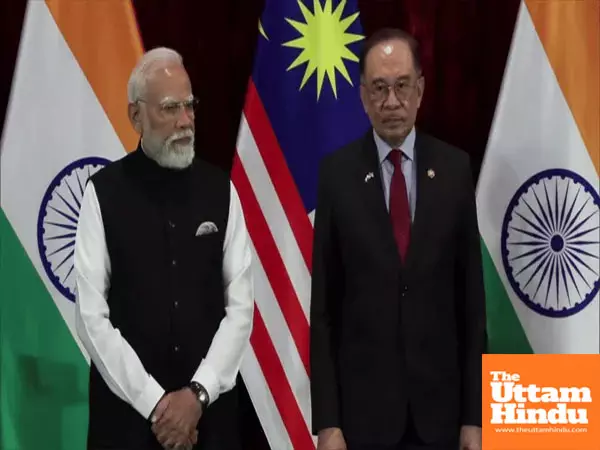
Kuala Lumpur (The Uttam Hindu): Prime Minister Narendra Modi's two-day visit to Malaysia has proved to be taking the bilateral relations of the two countries to new heights. Six important agreements were signed between India and Malaysia in Kuala Lumpur in the presence of Prime Minister Modi and Malaysian PM Anwar Ibrahim. According to the Ministry of External Affairs, this visit is a milestone in furthering the comprehensive strategic partnership between the two countries. During the meeting, both the leaders agreed to further deepen cultural, economic and strategic cooperation and resolved to work together on traditional areas as well as new technologies.
Agreements on defense, semiconductors and worker safety
The bilateral talks between the two Prime Ministers included detailed discussions on critical issues such as trade, investment, defense, and security. Memoranda of Understanding (MoUs) were exchanged on semiconductor development, participation in UN peacekeeping missions, disaster management, and anti-corruption cooperation. Specifically, agreements were reached regarding the social security of Indian workers working in Malaysia. Furthermore, the two countries will cooperate in the areas of audio-visual co-production and vocational education. The primary objective of these agreements is to strengthen institutional and practical cooperation at the grassroots level.
Cultural and diplomatic expansion: Thiruvalluvar Chair and new embassy
In a major step towards strengthening cultural ties, Prime Minister Modi announced the establishment of a special 'Thiruvalluvar Chair' at the University of Malaysia. This will also launch Thiruvalluvar Scholarships, aimed at promoting the teachings of the great Tamil poet and philosopher Thiruvalluvar on a global platform. Additionally, India has expanded diplomatic ties by opening a new consulate in Malaysia. This will provide better services to Indian citizens living there and strengthen people-to-people contacts between the two countries.
Digital payment revolution and promotion of Ayurveda
Keeping future needs in mind, major decisions have also been taken in the digital payments and health sectors. NPCI International (NIPL) and Malaysia's PayNet have agreed to develop a bilateral payment system, with plans to integrate India's UPI. This move will make transactions cheaper and faster for tourists, students, and merchants. Meanwhile, an agreement has been signed between the University of Cyberjaya and Jamnagar's ITRA to promote traditional medicine, which will provide a new direction for research and educational exchange in Ayurveda. Furthermore, Malaysia has completed the formalities to join the International Big Cat Alliance, demonstrating its commitment to environmental protection.