
India tells Pakistan at UN to end terrorism before raising Indus Waters Treaty issue
India strongly responded to Pakistan at the UN on the Indus Waters Treaty, saying terrorism must stop before any discussion, while highlighting water and development efforts.
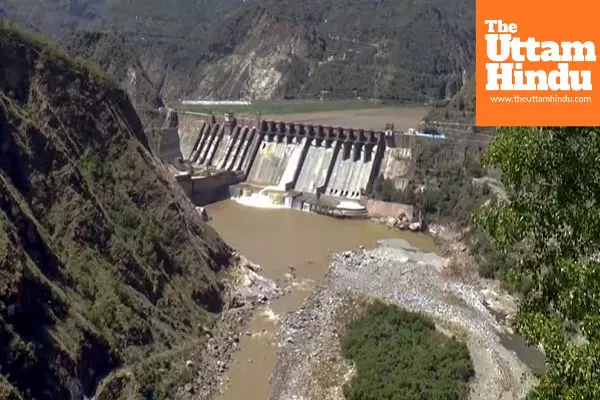
New Delhi (The Uttam Hindu): Tensions between India and Pakistan have intensified once again over the Indus Waters Treaty after India suspended the agreement following recent developments. Pakistan has been raising the issue at international forums, including the United Nations, seeking its restoration.
During a UN event focused on ensuring safe water and sanitation for all, Pakistan brought up the treaty issue, prompting a sharp response from India.
India’s strong response at UN
India’s Permanent Representative to the UN, P. Harish, said that before talking about the sanctity of treaties, Pakistan must respect the sanctity of human life. He accused Pakistan of using terrorism as a state policy and made it clear that the treaty will remain suspended until such activities are completely stopped.
Harish emphasized that India has always acted as a responsible upper riparian country, but responsibility must be mutual. He alleged that Pakistan has imposed wars on India and supported thousands of terror attacks, leading to loss of innocent lives.
Changing circumstances cited
India also highlighted that the Indus Waters Treaty, signed in 1960, was based on goodwill and cooperation. However, changing circumstances over the past 65 years—including advancements in technology, population growth and environmental challenges—necessitate a review of the agreement. India pointed out that Pakistan has refused to engage in discussions on modifications.
Background of suspension
India suspended the treaty last year following the Pahalgam attack, for which The Resistance Front, believed to be linked to Lashkar-e-Taiba, claimed responsibility. In response, India launched Operation Sindoor.
Focus on water and development goals
At the UN platform, India also reiterated its commitment to achieving sustainable development goals related to safe water and sanitation. The government highlighted the Jal Jeevan Mission, under which tap water has been provided to around 81.76 percent of rural households—approximately 15.8 crore homes.