
Low hemoglobin during pregnancy is dangerous for both mother and baby, stay safe with these measures
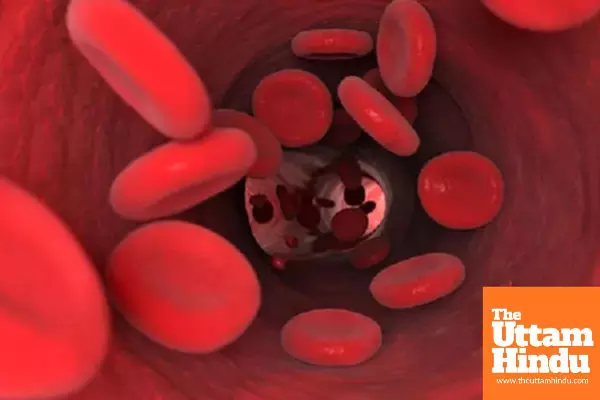
New Delhi (The Uttam Hindu): Pregnancy is one of the most important phases in a woman’s life. During this period, the body has to meet not only the mother’s needs but also those of the developing baby. Hemoglobin plays a crucial role in this process, as it carries oxygen and nutrients from the mother to the child. When hemoglobin levels drop during pregnancy, it can negatively affect both the mother’s health and the baby’s growth.
In the early stages, low hemoglobin may cause mild fatigue, breathlessness, or dizziness. If ignored, it can later lead to weakness, increased risk of infections, and complications during delivery. This is why hemoglobin deficiency during pregnancy should never be taken lightly, and timely preventive steps are extremely important.
Including iron-rich foods in the daily diet is essential for pregnant women. Green leafy vegetables such as spinach, fenugreek, and mustard greens are good sources of iron and folate, which support blood formation. Beetroot is also considered beneficial, as it helps in the production of red blood cells. Fruits like pomegranate, apple, and amla help reduce weakness and improve overall strength.
Dry fruits also play an important role in increasing hemoglobin levels. Dates, raisins, and figs contain iron and natural sugars that provide energy and help overcome blood deficiency. Soaking them overnight and eating them in the morning improves digestion and nutrient absorption. Black sesame seeds and jaggery are also useful, as they help replenish iron and reduce fatigue.
Vitamin C is essential for proper absorption of iron. Therefore, foods like lemon, orange, sweet lime, and amla should be included with meals. At the same time, tea and coffee should be avoided, as they reduce iron absorption. If tea is consumed, it is better to keep a time gap between meals or iron supplements.
Taking iron and folic acid supplements prescribed by the doctor regularly is also very important during pregnancy. Some women stop taking medicines due to nausea or stomach discomfort, which can further reduce hemoglobin levels. Changing the timing of the medicine or taking it after meals may help, but it should never be stopped without medical advice.
Adequate sleep and mental relaxation also help maintain healthy hemoglobin levels. Proper rest allows the body to repair itself and produce new blood cells. Light walking, breathing exercises, and pranayama improve oxygen levels in the body, reducing weakness and tiredness.
Before trying any home remedy or making dietary changes during pregnancy, it is important to consult a doctor.