
No VIP in Mahakal’s court, everyone is equal: Supreme Court refuses to hear plea on VIP entry in sanctum
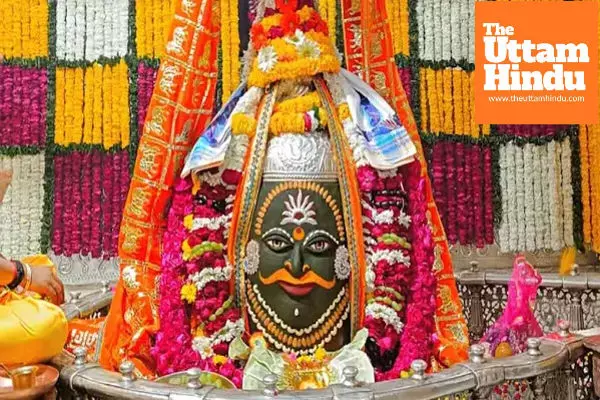
Ujjain (The Uttam Hindu): The Supreme Court has refused to hear a petition challenging VIP entry into the sanctum sanctorum of the famous Mahakaleshwar Jyotirlinga temple in Ujjain, Madhya Pradesh. The court clearly stated that there are no VIPs before Lord Mahakal and that decisions regarding entry into the sanctum fall solely under the authority of the temple administration.
The apex court advised the petitioner to place their demand before the temple authorities. It observed that everyone is equal in the presence of Mahakal and that determining rules for sanctum entry is the responsibility of the temple committee and district administration. The court said it would not interfere in such matters.
The petitioner alleged that entry for common devotees into the sanctum has been closed for the past two and a half years, while VIPs and influential individuals are allegedly allowed inside by bypassing rules. The plea claimed this practice violates the right to equality under Article 14 of the Constitution.
Earlier, in August 2025, the Indore Bench of the Madhya Pradesh High Court had also dismissed a similar petition. The High Court had ruled that the decision regarding sanctum entry lies with the Ujjain district collector and the Mahakal temple administrator, and courts should not intervene.
Since the COVID-19 period, general devotees have not been allowed inside the sanctum of the Mahakal temple and can only offer prayers from the outer area. However, reports of VIP leaders and influential persons being granted special permission have often surfaced, leading to resentment among ordinary devotees.
Following the Supreme Court’s decision, the petitioner will now have to approach the temple administration. The court emphasized that judicial intervention in the internal rules and management of religious institutions should remain limited, increasing expectations for transparent and fair implementation of temple regulations.