
Shocking claim: 924 died in fake encounters, NHRC demands court inquiry
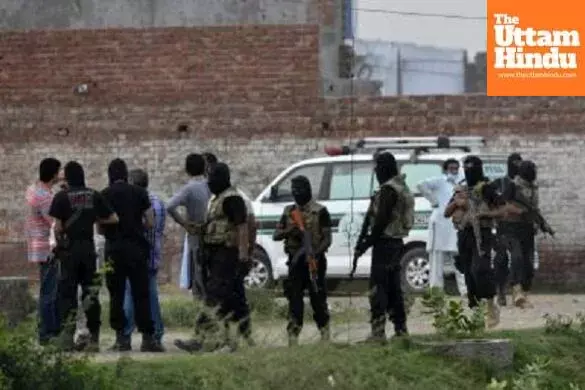
ISLAMABAD (AP) — The Human Rights Commission of Pakistan (HRCP) has accused the country's Crime Control Department (CCD) in Punjab province of systematically carrying out fake encounters and extrajudicial killings, saying this trend seriously undermines the rule of law and constitutional protections.
Citing media reports, the HRCP reported that at least 670 encounters were recorded under the CCD in the eight months of 2025, in which 924 suspects were killed, while two policemen also died during the same period. The commission said, “The huge imbalance in casualties—an average of more than two fatal encounters per day—and the similar methodology across different districts indicate that these are not isolated incidents but an institutional practice. Therefore, a high-level judicial inquiry should be conducted into these deaths.”
The HRCP also noted a pervasive atmosphere of fear among the victim's families. One family alleged that police officers pressured them to perform the deceased's funeral immediately and warned that other family members could be targeted if the case was pursued. The Commission described this as a criminal act and an obstruction of justice.
The report states that the use of police encounters in the name of crime control has long been controversial in Pakistan. Provincial governments, particularly in Punjab and Sindh, have touted them as necessary measures to combat crime and extremism. However, courts, civil society organizations, and human rights organizations have repeatedly expressed concern about these extrajudicial killings and the lack of accountability.
According to the HRCP, the CCD's actions do not comply with the UN's 'Basic Principles on the Use of Force and Firearms by Law Enforcement Officials', which mandate the use of lethal force only in extremely necessary and proportionate circumstances and holding violators accountable.
The report also stated that CCD press releases and FIRs contained similar accounts in almost every case: that the suspects fired first, the police retaliated in self-defense, and that the victims were "notorious criminals." The Commission described this as a sign of orchestrated messaging rather than independent action. The HRCP stressed that sustainable public safety cannot be achieved by taking "deadly shortcuts" that bypass investigation, prosecution, and judicial accountability.
The report calls for an immediate halt to all "encounter operations" across the province, mandatory independent investigations, accountability for those responsible, and structural reforms consistent with constitutional and international human rights standards. The commission warned that the normalization of state violence could cause lasting damage to Pakistan's justice system, democratic institutions, and international image if urgent corrective measures are not taken.