
Russia to halt petrol exports for 4 months: Which countries will be hit hardest?
The move aims to prioritize domestic supply and stabilize fuel prices amidst global market volatility caused by the West Asia conflict
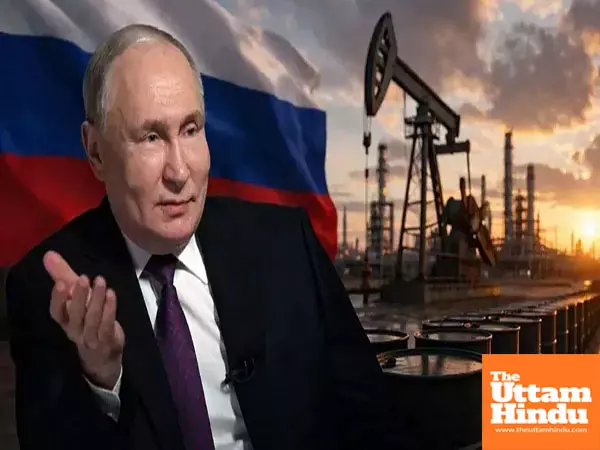
Moscow (The Uttam Hindu): Russia has taken a significant decision that could impact the global energy market, preparing to temporarily ban petrol exports from April 1 to July 31. Deputy Prime Minister Alexander Novak has directed the Energy Ministry to prepare a proposal in this regard. Russia says this step is being taken to maintain fuel availability in the domestic market and keep prices under control.
According to Russian officials, rising tensions in the Middle East—particularly the ongoing conflict between Israel and Iran—have increased volatility in the global oil market, leading to frequent fluctuations in the prices of petroleum products.
Russia currently exports about 120,000 to 170,000 barrels of gasoline daily. A ban on exports could affect major buyers such as China, Turkey, Brazil, African countries, and Singapore, which rely heavily on Russian fuel.
What will be the impact on India?
Experts believe that the direct impact of this decision on India will be limited. This is because India primarily imports crude oil rather than finished petrol. The country sources approximately 80% of its crude oil needs from abroad, of which Russia accounts for approximately 20%.
India has a robust refinery network that processes crude oil into petrol and diesel. The country refines approximately 5.6 million barrels of crude oil daily, not only meeting domestic needs but also exporting the finished fuel.
Why might concerns still arise?
However, experts warn that Russia's move could impact global supply. If this happens, crude oil prices could rise further. Already, due to Middle East tensions, international oil prices are hovering around $100 per barrel.
Overall, while Russia's decision may have been taken to stabilize the domestic market, its impact is feared to further increase instability in the global energy market.