
Shehbaz government bows to public pressure, petrol price slashed by ₹80; free bus travel for 30 days
Pakistan cuts petrol prices by ₹80 after protests; announces 30 days of free public transport in Islamabad amid rising inflation and IMF pressure.
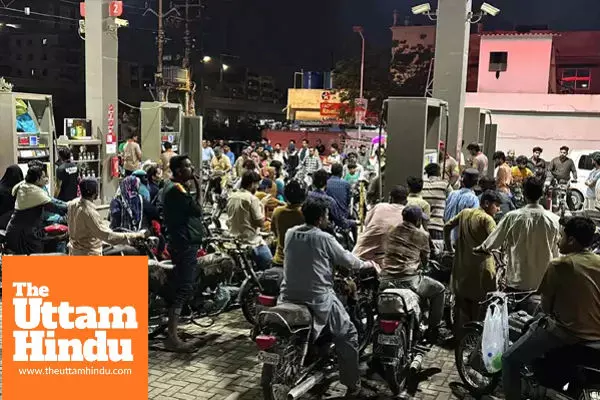
Islamabad (The Uttam Hindu): Facing massive public protests over soaring inflation and fuel prices, the government led by Shehbaz Sharif has announced a major relief measure by cutting petrol prices by ₹80 per litre. After the reduction, petrol will now cost ₹378 per litre in Pakistan.
The decision came after widespread demonstrations and long queues at fuel stations. The government said the relief was made possible by reducing petroleum levy (tax). Notably, this move was announced just a day after petrol prices were sharply increased to ₹485 per litre, a hike of 42.7%, which had triggered public outrage.
No relief in diesel prices
In a televised address, Prime Minister Shehbaz Sharif said the reduced petrol prices would remain in effect for at least one month. He assured citizens that the government would continue efforts until the situation stabilizes.
However, no relief has been provided in diesel prices. After a recent 54.9% increase, diesel continues to be sold at a record high of ₹520 per litre.
Free public transport to ease public anger
To calm public anger, Interior Minister Mohsin Naqvi announced that all public transport in Islamabad will be free for 30 days starting Saturday. This move is expected to put an additional burden of 350 million rupees on the government.
Similarly, Punjab Chief Minister Maryam Nawaz Sharif has waived fares for state-run transport and announced subsidies for buses and trucks. In Sindh, subsidies have been introduced for motorbike users and small farmers.
Emergency steps amid fuel crisis
The ongoing Iran-related tensions and disruption in energy supply through the Strait of Hormuz have significantly impacted Pakistan. To conserve fuel, the government has introduced emergency measures, including reducing the workweek in some government offices to four days.
School holidays have been extended, and some classes have been shifted online to reduce energy consumption. The energy crisis is also affecting other countries in the region, including Bangladesh, where LPG and CNG prices have risen sharply.
IMF pressure behind rising costs?
The economic crisis in Pakistan is also being linked to pressure from the International Monetary Fund (IMF). Earlier this week, the IMF warned that vulnerable economies like Pakistan are facing severe strain due to rising energy costs and supply disruptions.
On March 28, the IMF announced a preliminary agreement for a $1.2 billion assistance package for Pakistan. However, protesters argue that the steep fuel price hikes are not just due to global factors but also a result of IMF conditions.
Citizens have urged the government to prioritize public welfare over external financial pressures.