
US hints at lifting 25% tariff on India, calls move a success
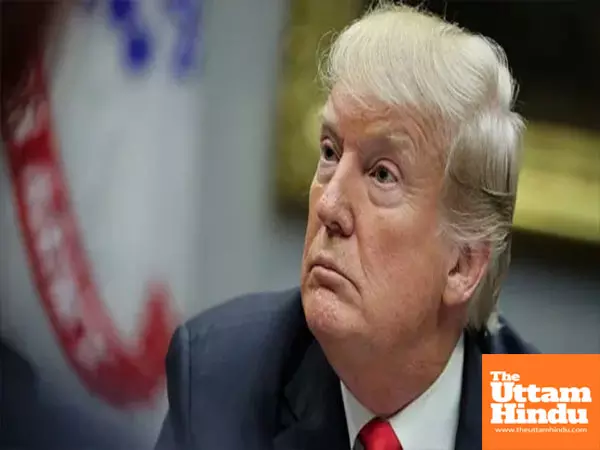
Washington (The Uttam Hindu): US Treasury Secretary Scott Bessent has issued an important statement regarding the 25% additional tariff imposed on India. He claimed that this move against India has proven "quite successful" for the US, as it has led to a significant decline in India's oil purchases from Russia. However, in a relief for Indian businesses and the government, Bessent has indicated that this tightening is not permanent and that these sanctions may be lifted in the future.
Negotiations could lead to the removal of tariffs
Scott Bessant clarified that while this tariff is currently in place, the US does not consider it a permanent arrangement. He said, "I think there may be a way to remove it now." This simply means that if negotiations between the two countries proceed in a positive direction and the situation favors the US, India may receive relief from this hefty tax. This statement comes at a time when the world is focused on the oil trade and the impact of sanctions on Russia, and the US is reviewing its economic policies.
The 'Oil Penalty Tariff' is applicable from August 2025
Understand the current tariff structure: The US has imposed a hefty tax of up to 50% on many goods imported from India. This includes a standard tariff of approximately 25%, which applies to approximately 55% of India's exports. An additional 25% "oil penalty tariff" was added to this, effective August 2025. The US's clear objective with this penalty was to pressure India to stop purchasing oil from Russia. Now, the US believes this strategy has worked.
Tightening of Russian oil and the stance of Indian refineries
This US move appears to be paying off. Reports indicate that major Indian refineries like Reliance have halted Russian oil imports in January 2026 due to US pressure and fear of tariffs. Meanwhile, the US, G7, and European countries have further tightened the price cap on Russian oil, reducing it to $44.10 per barrel effective February 1, 2026. While India has consistently maintained that it will determine its energy needs based on national interest and affordability, it is currently closely monitoring the proposed US bill with a 500% tariff.