
Amaranth Seeds: A Superfood for Everyone From Elderly to Pregnant Women, Offering Multiple Health Benefits
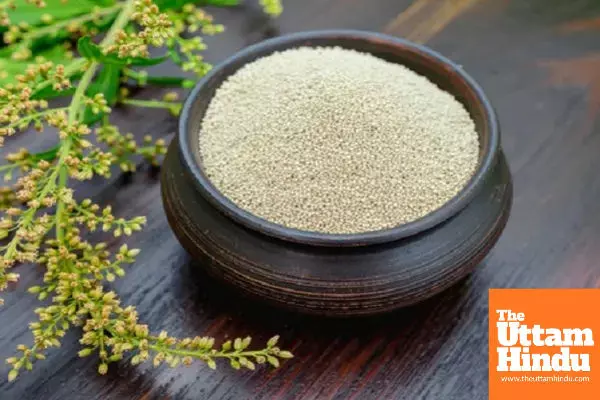
New Delhi (The Uttam Hindu): During the winter season, many superfoods help keep the body warm while providing complete nutrition such as sesame, jaggery, peanuts, and amaranth. While amaranth leaves are commonly eaten in winter, its seeds are rich in iron and packed with several properties that protect the body from infections during cold weather.
Amaranth seeds are known by different names, including Rajgira, Ramdana, and Amaranth. Many Bollywood celebrities also include amaranth in their gluten-free diets. Amaranth is a medicinal plant whose seeds, leaves, and stems all contain health-benefiting nutrients. It is rich in iron, protein, vitamin A, and fiber. Both elderly individuals and pregnant women can consume it safely. It helps prevent anemia, improves iron levels, and boosts hemoglobin.
Amaranth seeds act as natural antioxidants. They help the body fight harmful viruses, reduce harmful bacteria, and support cell health. The seeds also aid in repairing damaged cells, making them an excellent option for strengthening overall immunity.
If someone is experiencing weakness or a pregnant woman is suffering from low hemoglobin, laddoos made from amaranth seeds can help reduce weakness and improve blood levels. However, because amaranth produces heat in the body, these laddoos should be consumed mainly during winter. The seeds are also high in calcium, making them beneficial for breastfeeding mothers. They naturally support milk production and energy. Amaranth can be consumed as roti, puri, fritters, or khichdi.
Because amaranth is rich in fiber, it is easy to digest and helps prevent constipation. For best results, it can be eaten with jaggery during winter. Jaggery enhances the benefits of amaranth seeds, helping keep the body warm and boosting energy levels.